
Introduction
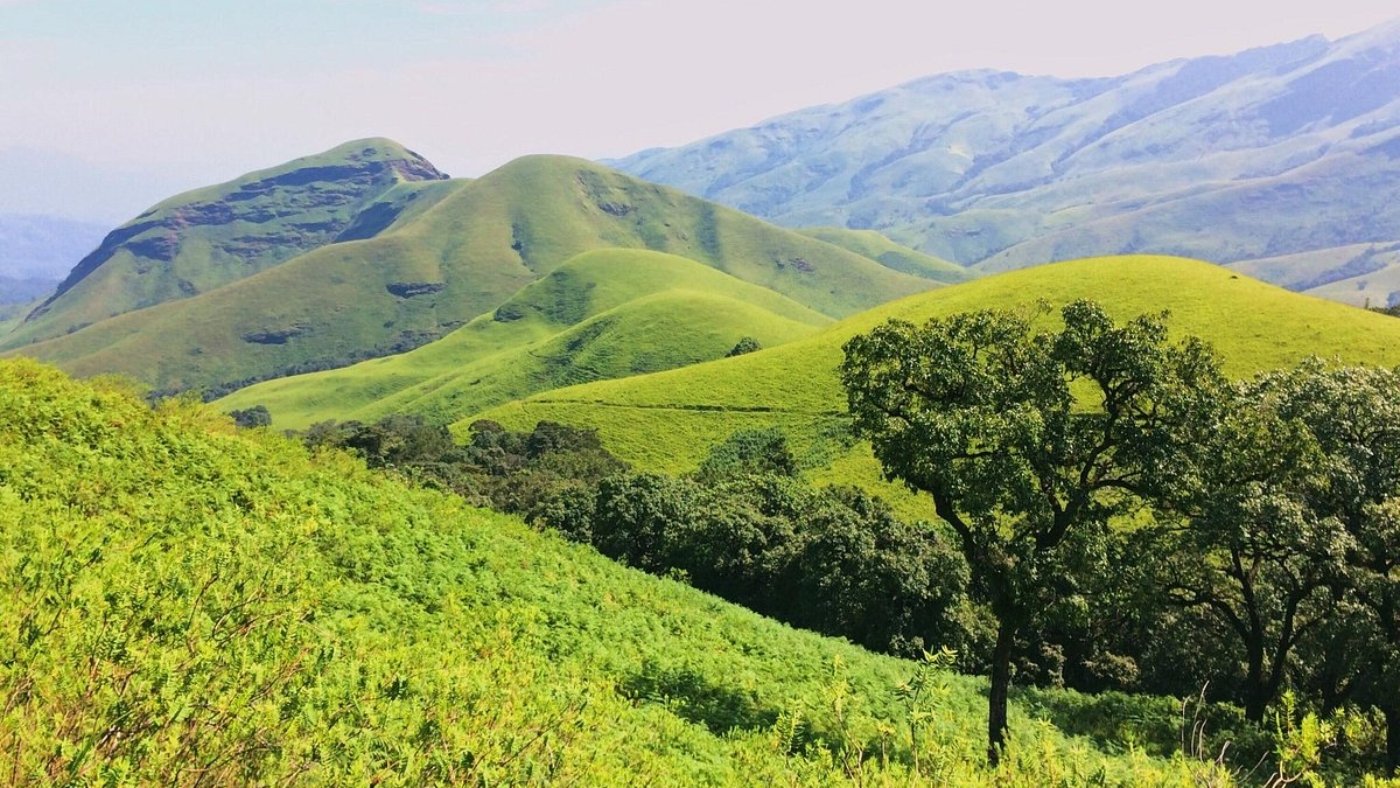
The Kudremukha National Park, nestled in the heart of the Western Ghats in Karnataka, isn’t just known for its lush green hills and misty trekking trails — it’s also a thriving habitat for a wide variety of wildlife. Whether you’re an avid nature lover, a wildlife photographer, or a casual traveler, the forests surrounding Netravati Peak, Kurinjal, and Kudremukha Trek offer exciting opportunities to spot rare and beautiful animals in their natural environment.
If you’re staying at AyurMist Homestay, keep your eyes and ears open — you might be lucky enough to witness some of these amazing species!
🌸 1️⃣ Malabar Giant Squirrel (Ratufa indica)
A colorful and shy resident of these forests, the Malabar Giant Squirrel is a treat to watch. With its reddish-brown and black fur and long bushy tail, this large tree-dwelling squirrel is often spotted leaping gracefully between branches.
Where to spot:
Early mornings during estate walks or while trekking through dense forests near Netravati Peak.
🌸 2️⃣ Sambar Deer (Rusa unicolor)
One of the largest deer species in India, Sambar deer are commonly seen in the grasslands and forest edges of Kudremukha National Park. Known for their large, rugged antlers and cautious behavior, they’re often seen grazing in small herds.
Where to spot:
Along trek routes, clearings near streams, or during early morning drives.
🌸 3️⃣ Lion-Tailed Macaque (Macaca silenus)
One of the most endangered and elusive primates in the Western Ghats, the Lion-Tailed Macaque is known for its distinctive silver mane and tufted tail. While sightings are rare, the dense evergreen forests around Kudremukha provide a safe home for them.
Where to spot:
Deep forest areas, especially during quiet treks through Kudremukha Reserve.
🌸 4️⃣ Indian Gaur (Bos gaurus)
Also known as the Indian bison, this massive, powerful animal is the largest bovine species in India. Known for their muscular build and impressive horns, gaur are herbivores but can be quite intimidating if encountered up close.
Where to spot:
Open grasslands during dawn or dusk, especially near water sources.
🌸 5️⃣ Wild Boar (Sus scrofa)
Wild boars are quite commonly spotted in the region. While they usually stay away from humans, you might notice them darting through the undergrowth during treks or while driving through the park.
Where to spot:
Near forest trails, estates, and water streams.
🌸 6️⃣ Birdlife Galore
Kudremukha is also a paradise for birdwatchers. Over 200 species of birds have been recorded here, including:
Malabar Trogon
Nilgiri Wood Pigeon
Grey Junglefowl
Great Indian Hornbill
Orange Minivet
Early morning estate walks from AyurMist Homestay offer wonderful chances to spot these feathered beauties.
🌸 7️⃣ Occasional Leopard (Panthera pardus) & Sloth Bear (Melursus ursinus)
While these animals are extremely shy and prefer to avoid human settlements, occasional sightings are reported deep within the park or along isolated trails. It’s a reminder of how wild and untouched the Kudremukha ecosystem remains.
Safety Note:
Avoid trekking alone in dense, off-route areas. Always inform your homestay or local guides about your trekking plans.
🌿 Final Thoughts
Kudremukha National Park is a treasure trove of natural beauty and biodiversity. Staying at AyurMist Homestay not only brings you closer to stunning trekking trails but also gives you a chance to witness the rich wildlife of the Western Ghats up close.
Remember:
Stay quiet while on treks
Avoid littering and feeding animals
Always stick to marked trails
If you’re a wildlife enthusiast or a nature photographer, don’t forget your binoculars and camera — because nature here loves to surprise you!
📞 Book Your Stay at AyurMist Homestay Today:
A wonderful serenity has taken possession of my entire soul, like these sweet mornings of spring which I enjoy with my whole heart.
my dear friend, so absorbed in the exquisite sense of mere tranquil existence, that I neglect my talents.